I tested positive for HIV, Now what do I do?
- Shams Tabrez

- Aug 18, 2024
- 2 min read
Updated: May 30, 2025

First thing first, HIV is not the end.
HIV diagnosis does not mean you are going to die early. With early treatment and proper care, people living with HIV can lead long, healthy lives—just like anyone else.
In fact, if you start treatment early and consistently take your medication, you can achieve an undetectable viral load, which means the virus becomes so low in your body that it cannot be transmitted to others.
So, if you’ve tested positive for HIV, take a deep breath. Here’s what you need to do next.
1. Take Time to Process Your Emotions

Receiving an HIV diagnosis can bring up a range of emotions—fear, sadness, anger, or even guilt. Whatever you feel is valid.
Allow yourself time to process your emotions. But don’t isolate yourself. If you're struggling to cope, reach out for support.
If you’re not ready to talk to friends or family, consider speaking with a counselor at the testing site.
Look for HIV support groups or community health organizations that can provide guidance.
You don’t have to go through this alone.
2. Start Treatment Immediately

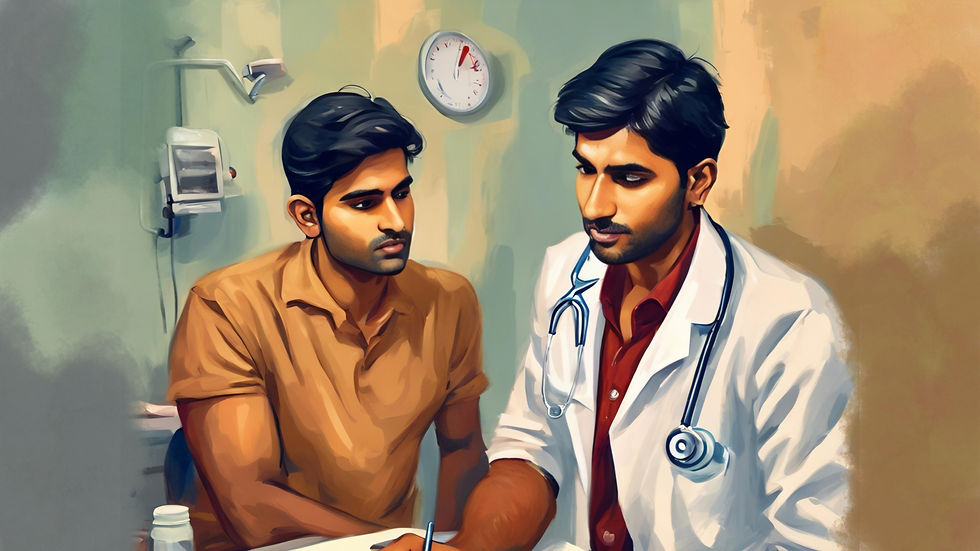
The most important step after an HIV diagnosis is to see a healthcare provider—even if you feel completely fine. Starting treatment as soon as possible gives you the best chance of staying healthy.
Your doctor will conduct tests to determine the best treatment for you, including:
CD4 Count: Measures the strength of your immune system.
Viral Load: Checks how much HIV is in your blood.
Genetic Resistance Test: Determines which medications will work best for you
What is HIV treatment?
HIV medicine is called antiretroviral therapy (ART).
HIV medicine works by lowering the amount of virus in your body.
HIV medicine can make the viral load so low that a test can’t detect it (called an undetectable viral load).
HIV medicine slows the progression of HIV and helps protect your immune system.
If you take HIV medicine as prescribed and get and keep an undetectable viral load, you can stay healthy for many years. Having an undetectable viral load also helps prevent transmitting the virus to others.
For example, if you have an undetectable viral load, you have effectively no risk of transmitting HIV to an HIV-negative partner through sex. Most people can get the virus under control within six months.
Bottom line
Receiving an HIV-positive diagnosis will almost invariably be a life-changing event. Even so, make every effort not to presume the worst. HIV is a very different disease than it was even 10 years ago, and many of the concerns-from side effects to the cost of treatment-are nowhere near as impactful as they used to be.
The most important this is to educate yourself and others about HIV. Rather than being afraid to get tested for HIV, get tested so that in case you are HIV positive, you can start right treatment at the right time so you can have a healthy and happy life.


Comments